
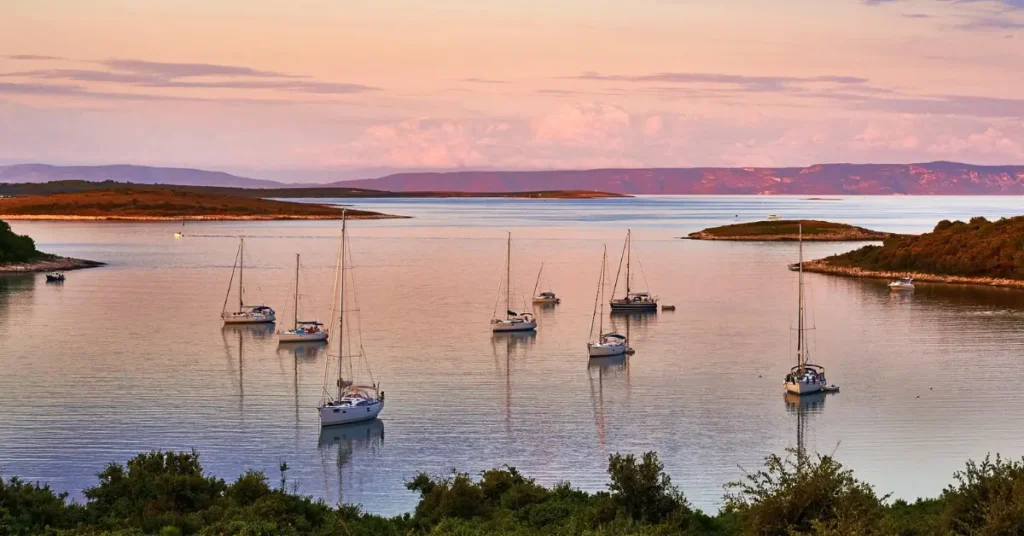
Finding the best places to visit in Croatia starts with admitting there isn’t one right answer. Croatia packs an unusual amount of variety into a fairly small country, letting you walk medieval city walls, swim in the Adriatic, hike past waterfalls, and sit in a café in a capital city that barely makes it onto most people’s radar, all within a few hours of each other. The right pick depends less on what’s “best” in general and more on what you actually want out of the trip.
If you’re drawn to beaches and nightlife, your list looks different than someone chasing history and old stone streets, and it looks different again for someone who wants waterfalls and quiet trails. This guide covers 15 places worth your time, what each one is actually good for, who tends to enjoy it most, and how to fit it into a realistic itinerary. Before you lock in a route, it’s worth checking a Croatia destination guide or working out a rough travel budget so you know how many stops your trip can comfortably handle.
Table of Contents
Croatia’s Best Places to Visit at a Glance
| Place | Best For | Ideal Stay |
| Dubrovnik | History & views | 2–3 days |
| Split | First-time visitors | 2–3 days |
| Hvar | Beaches & nightlife | 2–3 days |
| Zadar | Sunsets & history | 1–2 days |
| Rovinj | Romantic escapes | 2 days |
| Plitvice Lakes | Nature | 1–2 days |
| Zagreb | Culture & city life | 2 days |
| Korčula | Islands & wine | 2–3 days |
| Šibenik | History & coast | 1–2 days |
| Trogir | Historic town | 1 day |
The 10 Best Places to Visit in Croatia
1. Dubrovnik
Dubrovnik is the place to go if you want Croatia’s most dramatic combination of history and coastline in one walkable city.
The old town sits inside stone walls built between the 12th and 17th centuries, and walking the full loop takes you above terracotta rooftops with the Adriatic on one side and the packed medieval streets on the other. It’s also the city most viewers will half-recognize from television, since large parts of it stood in for King’s Landing.
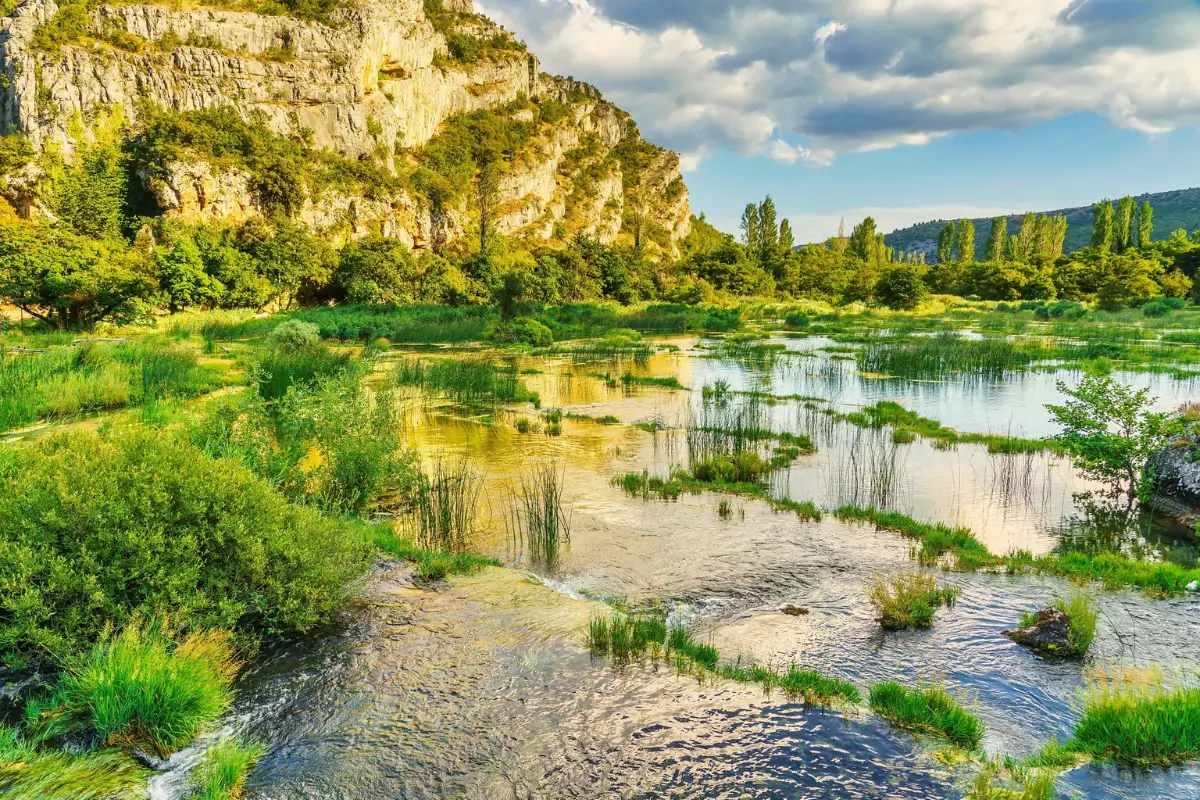
Best things to do here go beyond the wall walk: take the cable car up Mount Srđ for a view over the whole peninsula, or catch a short boat to Lokrum Island for a swim away from the crowds. Dubrovnik suits first-time visitors, couples, and history-focused travelers equally well, though it’s worth knowing it’s also the most expensive city on this list. Visiting in shoulder season (May, June, or September) gets you the same views with noticeably thinner crowds and lower prices than peak July and August.
2. Split
Split works best for travelers who want one base with easy access to islands, beaches, and history without spending a fortune.
The city’s centerpiece is Diocletian’s Palace, a Roman emperor’s retirement residence from around 305 AD that isn’t a museum you visit from the outside. People actually live, shop, and run cafés inside its walls, so wandering through feels less like a tour stop and more like stepping into a functioning neighborhood built from 1,700-year-old stone.
Split’s waterfront promenade, known locally as the Riva, is where the city gathers in the evening for a walk, a coffee, or a drink facing the harbor. What makes Split especially practical is its position: ferries to Hvar, Brač, and Korčula leave from here, so it works well as a home base for day trips even if you’re staying somewhere else in the region for a few nights.
3. Hvar
Hvar is the pick for beaches paired with a livelier social scene than most other Croatian islands offer.
The island balances two different moods. Hvar Town has the bars, boat parties, and late nights that built its reputation, while the quieter side of the island, especially around Stari Grad, offers lavender fields and small coves with almost none of that energy. Beach options range from pebble stretches near town to the Pakleni Islands just offshore, reachable by a short water taxi.
Peak nightlife runs from June through August, so travelers who want the party scene should target those months. Anyone who wants Hvar’s scenery without the noise should aim for late spring or early autumn instead, when the beaches are still warm but the crowds thin out considerably.
4. Zadar
Zadar offers a Adriatic sunset experience genuinely different from anywhere else in Croatia, at a fraction of Dubrovnik’s cost.
The city’s Sea Organ turns wave motion into ambient musical tones through pipes built into the waterfront steps, and right next to it sits the Sun Salutation, a circle of solar panels that lights up after dark. Watching the sunset from that spot, with the sound of the organ underneath it, is the kind of experience that ends up being the highlight people mention when they talk about their trip.
Zadar’s old town has its own Roman forum and layered history without Dubrovnik’s tourist density, which is exactly why it can offer better value. Hotel and restaurant prices tend to run noticeably lower than the more famous coastal cities, making it a smart stop for travelers trying to stretch a Croatia budget further without giving up quality.
5. Rovinj
Rovinj is the answer for travelers who want Croatia’s most photogenic old town paired with a slower, romantic pace.
Pastel buildings stacked on a small peninsula, narrow cobbled lanes, and the Church of St. Euphemia looking out over the Adriatic give Rovinj a distinct Italian feel, a leftover from its long stretch under Venetian rule. The old town is small enough to explore fully in an afternoon, which leaves time for the harbor-front restaurants that serve some of the best seafood in Istria.
Sunset here is worth planning around, since the light hitting the pastel façades from the water makes for one of the more memorable evening walks in the country. Rovinj suits couples and slower travelers far more than it suits anyone looking for nightlife, since the town quiets down early.
6. Plitvice Lakes National Park
Plitvice is Croatia’s essential nature stop, built around 16 terraced lakes connected by waterfalls and wooden walkways.
The park’s UNESCO World Heritage status comes from the way the lakes stack into each other, each one a different shade of blue or green depending on mineral content and light. Wooden boardwalks run directly over and beside the water, close enough that the waterfalls are a constant soundtrack through most of the walk.
A full loop through the park realistically takes a full day, though a shorter route covering the lower lakes can be done in three to four hours if time is tight. Since Plitvice sits inland, most visitors treat it as a day trip from Zagreb or a stop on the drive between Zagreb and the coast rather than a standalone base.
7. Zagreb
Zagreb is worth adding to a Croatia itinerary for travelers who want museums, café culture, and city life alongside the coast.
The capital doesn’t get the attention the islands do, but it has a genuinely strong museum scene, including the Museum of Broken Relationships, which turns donated objects and their breakup stories into one of the more memorable small museums in Europe. The upper town’s 19th-century architecture and the sprawling Dolac open-air market add a different texture than anywhere on the coast.
Zagreb’s café culture is also part of daily life here, not a tourist add-on, and spending a morning at an outdoor table watching the city move is a normal way locals spend their time. Two days is usually enough to see the highlights and still leave room for a day trip out to Plitvice.
8. Korčula
Korčula pairs walkable beaches with some of the country’s best wine, all inside a walled old town that predates Dubrovnik’s fame.
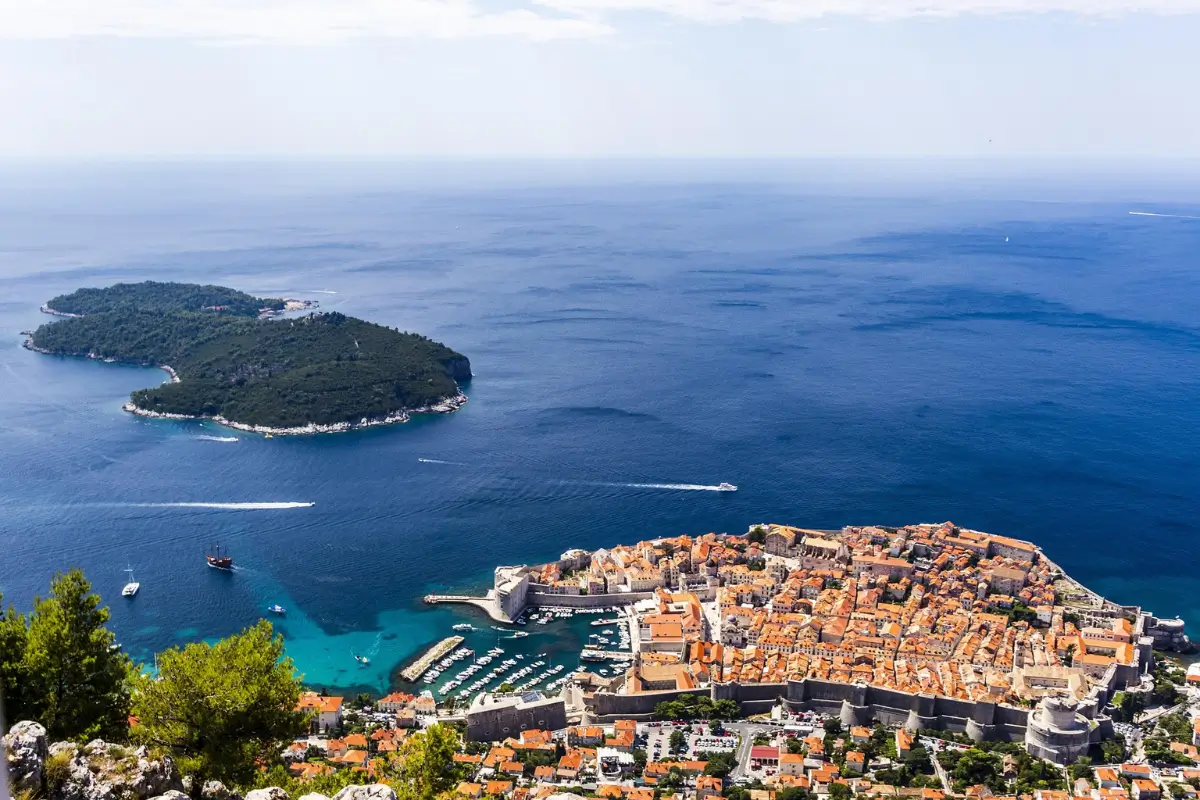
The island is often called locally as the birthplace of Marco Polo, and its old town’s fishbone street layout was designed centuries ago to control wind and sun exposure, a small detail that still makes walking the narrow streets more comfortable on hot days. Beaches here are a mix of pebble coves and quieter swimming spots along the southern coast.
Korčula is also part of Croatia’s main wine region, and the island’s Pošip and Grk white wines are worth seeking out at a local konoba rather than a tourist restaurant. It suits travelers who want beach time and old town charm without Dubrovnik-level crowds or prices.
9. Šibenik
Šibenik combines a UNESCO-listed cathedral with a coastal setting that gets far less foot traffic than the bigger names on this list.
St. James Cathedral, built entirely from stone without brick or wood in its vaulted structure, is a genuine architectural rarity from the 15th and 16th centuries and the main reason Šibenik earned its UNESCO status. The old town climbs up from the harbor in narrow stone lanes, with a fortress at the top offering a wide view over the bay.
The city also works well as a base for reaching two national parks, Krka and Kornati, both a short drive or boat ride away. Šibenik suits travelers who want history and coastal views without competing with the crowds found in Split or Dubrovnik.
10. Trogir
Trogir is the easiest historic add-on to a Split-based trip, reachable in under an hour and worth a full day.
The entire old town sits on a small island connected by bridges, and its UNESCO World Heritage listing covers a dense mix of Romanesque, Gothic, and Renaissance buildings packed into a walkable core. The Cathedral of St. Lawrence, with its detailed stone portal, anchors the main square.
Because it’s small enough to see thoroughly in a few hours, Trogir works best as a day trip from Split rather than an overnight stay, unless you’re specifically looking for a quieter base with easy access to Split’s ferries and nightlife.
5 More Beautiful Places in Croatia to Visit
The list above covers the most common stops, but it doesn’t cover everything worth seeing. These five round out a fuller picture of what Croatia offers beyond the usual names.
11. Brač
Why go: Home to Zlatni Rat, one of the most photographed beaches in the Adriatic, with a shape that shifts slightly depending on wind and current. Best experience: Windsurfing near Bol, thanks to consistent afternoon winds that draw a dedicated sailing crowd. Best time: June through September for reliable wind and warm water. Budget tip: Staying in Supetar instead of Bol cuts accommodation costs while still allowing an easy bus or taxi ride to the beach.
12. Pula
Why go: Home to a Roman amphitheater that’s one of the best-preserved in the world and still hosts concerts and film screenings today. Best experience: Watching a summer event inside the amphitheater itself, seated where Roman spectators once sat nearly 2,000 years ago. Best time: Late spring or early autumn, avoiding the peak heat and cruise ship crowds of midsummer. Budget tip: Istria generally runs cheaper than the Dalmatian coast, and Pula is one of its most affordable bases.
13. Makarska
Why go: A long stretch of pine-backed beaches set against the dramatic Biokovo mountain range rising directly behind the town. Best experience: Hiking or driving up Biokovo for a viewpoint that stretches across the Adriatic islands. Best time: July and August for full beach weather, though it gets busy. Budget tip: The Makarska Riviera includes smaller nearby towns with lower prices and the same beach access.
14. Krka National Park
Why go: Waterfalls similar to Plitvice’s, but historically with swimming allowed in designated areas, making it a more active alternative. Best experience: The Skradinski Buk waterfall area, the park’s most accessible and photogenic section. Best time: Late spring, when water levels are higher and the falls are at their strongest. Budget tip: Krka is generally less crowded and slightly cheaper to enter than Plitvice, and it’s an easy day trip from Šibenik.
15. Opatija
Why go: A 19th-century seaside resort town built for Austro-Hungarian aristocracy, with a coastal promenade that still carries that old-world elegance. Best experience: Walking the Lungomare, a 12-kilometer seafront path connecting Opatija to several nearby villages. Best time: Shoulder season, when the mild climate that first made the town famous is at its most pleasant. Budget tip: Opatija’s hotel prices run lower than comparable resort towns on the Dalmatian coast further south.
Best Places in Croatia to Visit for Different Travelers
Instead of another list of names, it helps to match places to what you’re actually looking for.
Best Places for Beaches
Hvar, Brač, and Makarska lead this category, each offering a different beach style: Hvar for a livelier scene, Brač for its famous Zlatni Rat, and Makarska for long pine-lined sand backed by mountains.
Best Places for History and Culture
Dubrovnik, Split, and Zagreb cover this best, ranging from Dubrovnik’s medieval walls to Split’s living Roman palace to Zagreb’s museums and 19th-century architecture.
Best Places for Nature
Plitvice Lakes and Krka National Park are the two standout choices, both built around waterfalls and layered lakes, with Krka offering more flexibility for swimming.
Best Places for a Budget-Friendly Trip
Zadar, Šibenik, and Pula consistently cost less than Dubrovnik, Hvar, or Split, while still offering strong history, coastline, and things to do.
Best Places to Visit in Croatia for Couples
- Dubrovnik: dramatic sunset views from the city walls and quiet evening walks once the day-trip crowds clear out.
- Rovinj: the country’s most romantic old town, with waterfront dinners and pastel streets built for slow evenings.
- Hvar: works for couples who want daytime beach time and boat trips balanced against an active evening scene.
- Korčula: a walled old town, wine tastings, and quieter beaches make it a strong pick for couples who want charm without crowds.
- Opatija: the old-world resort atmosphere and long coastal promenade suit a slower, more relaxed romantic pace.
How to Choose the Best Place to Visit in Croatia
Choose the Coast for Beaches and Island Trips
If beach time and island hopping matter most, base yourself in Split or on Hvar, since both give easy ferry access to Brač, Korčula, and the Pakleni Islands.
Choose Zagreb for Culture and City Life
Travelers who want museums, café culture, and city energy over beach time should build their trip around Zagreb, using it as a base for a Plitvice day trip.
Choose Plitvice or Krka for Nature
If waterfalls and hiking are the priority, plan around Plitvice Lakes or Krka National Park, and treat the coast as a secondary stop rather than the main focus.
Choose Dubrovnik or Split for a First Croatia Trip
First-time visitors generally get the most out of starting in Dubrovnik or Split, since both offer strong transport links to islands, day trips, and national parks without requiring a rental car from day one.
How Many Days Do You Need in Croatia?
Croatia in 3–4 Days
Enough time for one city and one or two day trips: Split with a Krka or island day trip, or Dubrovnik with a Lokrum Island trip, covers this window well.
Croatia in 7 Days
A week allows a coastal loop: Dubrovnik, Split, and Hvar, with time built in for Plitvice if you’re willing to add a travel day inland.
Croatia in 10–14 Days
This is enough time to combine the coast with the interior properly: Zagreb, Plitvice, Zadar, Split, Hvar or Korčula, and Dubrovnik, moving at a pace that doesn’t feel rushed between the best places to visit in Croatia.
Best Time to Visit the Best Places in Croatia
Summer
June through August brings the warmest water and the fullest event calendar, but also the highest prices and the biggest crowds, especially in Dubrovnik and Hvar.
Shoulder Season
May, June, and September offer close to summer weather with noticeably fewer tourists and lower accommodation prices, making this the best balance for most travelers.
Winter
November through March sees most coastal towns quiet down significantly, with many restaurants and tour operators closing for the season; this period suits travelers focused on Zagreb rather than the coast.
Frequently Asked Questions About the Best Places to Visit Croatia
What is the best place to visit in Croatia for a first trip?
Split or Dubrovnik. Both offer strong transport connections, walkable old towns, and easy access to islands and day trips, which makes planning simpler for a first visit.
What are the 10 best places to visit in Croatia?
Dubrovnik, Split, Hvar, Zadar, Rovinj, Plitvice Lakes, Zagreb, Korčula, Šibenik, and Trogir cover the core of most Croatia itineraries.
What are the best places to visit in Croatia for couples?
Rovinj, Dubrovnik, and Opatija stand out for couples specifically, thanks to their slower pace, scenic old towns, and strong sunset or evening atmosphere.
How many days do you need in Croatia?
A week is a reasonable minimum for covering two or three main stops properly, while 10 to 14 days allows a fuller loop combining the coast, islands, and interior.
Is Croatia expensive to visit?
It depends heavily on where you go. Dubrovnik and Hvar run close to Western European prices in peak season, while Zadar, Šibenik, and Pula offer similar experiences at noticeably lower cost.
Final Thoughts
The best places to visit in Croatia depend on the kind of trip you want to have, not on a single ranked list. Here’s a quick way to match the destination to the traveler:
- First trip: Split + Dubrovnik
- Beaches and islands: Hvar + Korčula
- Nature: Plitvice + Krka
- Romance: Rovinj + Opatija
- Culture: Zagreb
Once you’ve picked your route, the next practical step is working out flight timing and cost, since when you book often matters as much as where you go. FlyBudgeter‘s guide on finding the cheapest flights and the best time to book can help you turn this itinerary into an actual trip without overpaying for the flights that get you there.